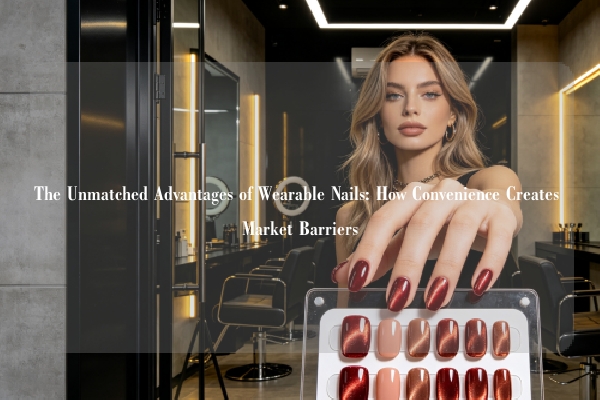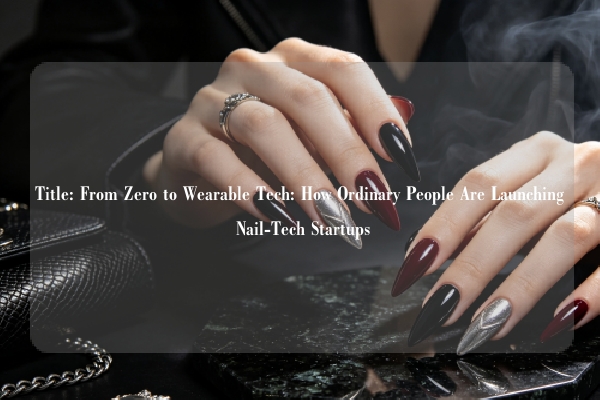

In the digital age, the beauty industry has witnessed a paradigm shift, with short video platforms becoming the primary battleground for brand visibility and consumer engagement. Among the sectors riding this wave is the wearable nail art (穿戴甲) industry—a niche yet booming market. One standout brand, 指尖上的中国 (Zhijianshang), has masterfully leveraged short video marketing to convert online viewers into offline store visitors, creating a seamless omnichannel experience.
The Core Strategy: Content That Drives Foot Traffic
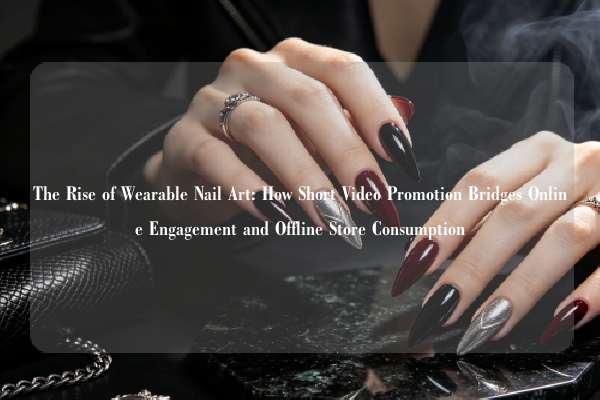
Short videos, typically 15–60 seconds, are ideal for showcasing the instant transformation that wearable nail art offers. Unlike traditional nail polish or acrylics, wearable nails are pre-designed, reusable, and can be applied in minutes. Through high-energy demos, trend-focused styling tips, and before-and-after reveals, brands like Zhijianshang capture attention and spark desire. However, the true genius lies in the call-to-action (CTA). Every video strategically directs viewers to nearby physical stores or the official website (https://www.zhijianshang.cn/), where they can find store locations, franchise details, or exclusive online deals that are redeemable offline.
The “Small Ten” (十小楚) National Franchise Model
Zhijianshang has rolled out its “Small Ten Nationwide Franchise” initiative, targeting second- and third-tier cities where beauty consumption is surging. The franchise model is designed for low-barrier entry, with training, inventory, and marketing support. Importantly, each franchisee is encouraged to create local short video content—using the official brand templates—to drive neighborhood-level engagement. This hyper-local strategy means that a video from a customer in Chengdu or Hangzhou not only increases online views but also leads to in-store trials, purchases, and repeat visits.
The Data-Driven Loop
Every short video is embedded with trackable QR codes or geo-tagged links. When a viewer clicks, they are redirected to the official site’s store locator. Over time, the brand can analyze peak viewing times, popular styles, and regional preferences. This data informs inventory stocking and promotional timing in physical stores. For example, if a viral video features a floral design in spring, offline stores in warmer regions will receive priority shipments.
Educational Content as a Trust Builder
Beyond product promotion, Zhijianshang produces “dry goods” (干货) educational videos—how to measure nail sizes, proper application and removal techniques, and care tips to extend wear time. This positions the brand as an expert, increasing consumer confidence before they step into a store. The official website complements this with detailed articles, FAQs, and a franchise inquiry portal.
Conclusion
Short video promotion is not just about going viral; it is about creating a measurable bridge between digital curiosity and physical consumption. Zhijianshang’s approach—combining engaging content, strategic CTAs, and an accessible franchise network—demonstrates that the future of retail is omnichannel. As the “Small Ten” franchise expands nationwide, the model proves that a well-crafted short video can turn a scrolling finger into a walking customer. For aspiring franchisees or beauty entrepreneurs, this is a blueprint worth studying: start online, engage locally, and convert through convenience and trust.
For more information or franchise inquiries, visit 指尖上的中国官方网址.