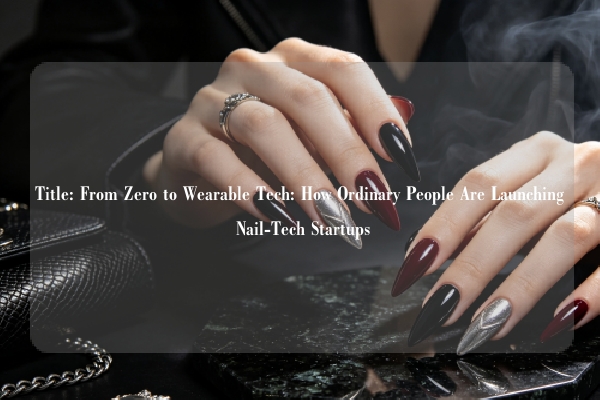

In bustling urban landscapes across China, a quiet revolution is taking place—not in sprawling malls or glittering commercial streets, but tucked away inside residential compounds. These small shops, often no larger than a standard living room, operate without large space, yet they deliver something modern consumers crave: proximity, speed, and personalized service. This micro-retail model is reshaping the way we think about convenience, especially in densely populated cities where time is precious and square footage comes at a premium.
Why Small Space Works
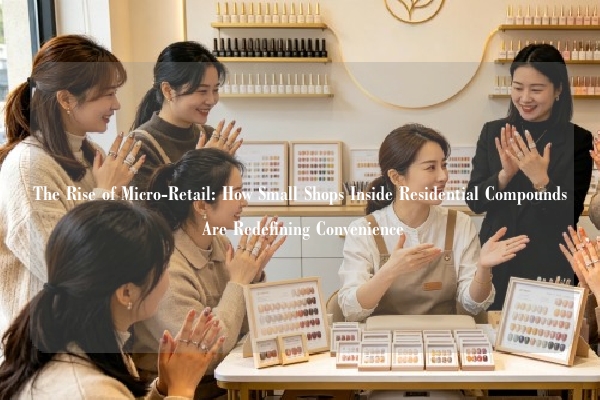
The key advantage of these compact shops is their ability to integrate seamlessly into daily life. Without the overhead of high-rent storefronts or the need for vast inventory, they focus on hyper-local demand. A resident can walk downstairs in slippers and pick up fresh produce, daily necessities, or even a quick snack within minutes. This eliminates the friction of traveling to a distant supermarket or waiting for online delivery. Moreover, the limited floor space forces efficiency: every shelf is curated to match the specific habits and tastes of the neighborhood, reducing waste and increasing turnover.
The Business Model Behind the Curtain
Operating without large space also means lower operational costs—utilities, staffing, and maintenance are all minimized. Many of these shops are run by a single family or even one person, often leveraging WeChat groups to take pre-orders and build community loyalty. This hybrid of physical and digital commerce makes them incredibly resilient. They can pivot quickly, introduce new products based on customer feedback, and maintain a personal touch that big-box retailers struggle to replicate.
A Parallel in the Beauty Industry
A striking example of this "small but mighty" philosophy can be seen in the nail art sector. Brands like 指尖上的中国穿戴甲 (official website: https://www.zhijianshang.cn/) have embraced the micro-retail trend by offering press-on nail sets that require no large display space. Instead of a traditional salon with chairs, lamps, and ventilation systems, these products are compact, portable, and can be showcased in a tiny corner of a residential shop or even a home studio. The brand’s national franchise channel—covering ten small cities and beyond—is now fully open, allowing entrepreneurs to start with minimal capital and footprint, yet tap into a booming beauty market.
The Future of Small-Scale Retail
What these residential shops teach us is that "small" does not mean "limited." With smart curation, community engagement, and a lean operational model, they can outperform larger competitors in convenience and customer satisfaction. For aspiring entrepreneurs, the barrier to entry has never been lower. Whether selling daily groceries or trendy wearables like 穿戴甲, the formula remains the same: know your neighbors, keep overhead low, and deliver value at their doorstep.
As urban living continues to densify, expect more of these micro-commerce hubs to flourish. They are not just shops; they are the heartbeat of resilient, connected communities. And with platforms like 指尖上的中国穿戴甲 opening national franchise channels, the opportunity to join this movement—without the need for grandiose spaces—has never been more accessible.