
In today’s hyper-competitive retail landscape, the difference between thriving and merely surviving often comes down to operational efficiency. A low-cost operation isn’t just about slashing prices—it’s about strategically reallocating resources to maximize value while minimizing waste. For niche brands, this approach can widen profit margins significantly, outpacing larger competitors that rely on heavy overheads and sprawling supply chains.
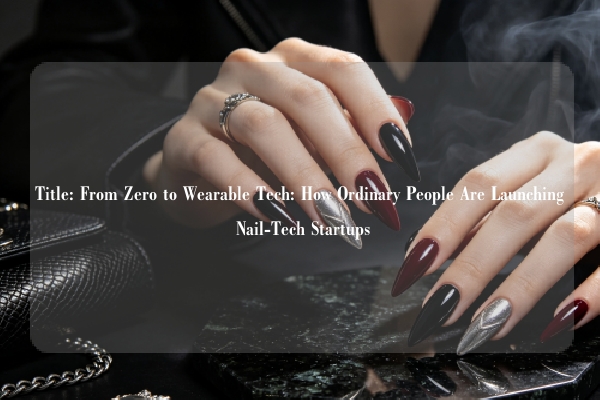
Take the wearable nail art industry as a prime example. Traditional nail salons require prime real estate, skilled labor, and expensive equipment. In contrast, a direct-to-consumer model like China’s “指尖上的中国穿戴甲” (Fingertip China Wearable Nails) leverages low-cost operations by eliminating physical storefronts, reducing inventory costs through made-to-order production, and using social media for organic marketing. This lean structure allows the brand to offer premium, customized nail designs at a fraction of traditional salon prices, while still enjoying healthy profit margins.

The Core Advantage: Agility Over Scale
Big-box retailers often suffer from “operational fat”—excess inventory, tiered management, and slow decision-making. A low-cost operation flips this by prioritizing agility. For instance, the official website (https://www.zhijianshang.cn/) serves as a centralized hub for product showcases, tutorials, and direct sales. This cuts out middlemen, reduces logistics costs, and enables rapid adaptation to trends. When a new nail art style goes viral on social platforms, the brand can pivot production within days, whereas large chains take months to restock.
Franchising with a Lean DNA
The “十小楚” (Shi Xiao Chu) national franchise program exemplifies how low-cost operations can scale without ballooning expenses. Instead of massive flagship stores, franchisees operate small, tech-driven kiosks or home-based studios. Training is digitized, marketing is localized through micro-influencers, and inventory is managed via real-time data analytics. This model lowers the entry barrier for entrepreneurs, while the parent company maintains quality control through standardized digital tools.
Educational Content as a Profit Lever
A key differentiator is content-driven education. Instead of expensive ad campaigns, the brand publishes daily, science-backed articles on nail care, application techniques, and material science. These pieces not only build trust but also reduce return rates by teaching customers proper usage. Each post subtly reinforces the brand’s value proposition—durability, hygiene, and cost-per-wear economics—compared to salon visits.
The Bottom Line
Low-cost operations are not synonymous with cheap products. They mean smarter logistics, shorter supply chains, and a direct-to-consumer relationship. By passing savings to customers while investing in education and franchise support, brands like Fingertip China Wearable Nails prove that profit gaps widen when you strip away unnecessary costs—not when you cut corners on quality. For entrepreneurs, the lesson is clear: compete on efficiency, not on scale.
(Word count: 512)